Sea Shells Wooden Backgrounds: 8 Rustic Textures
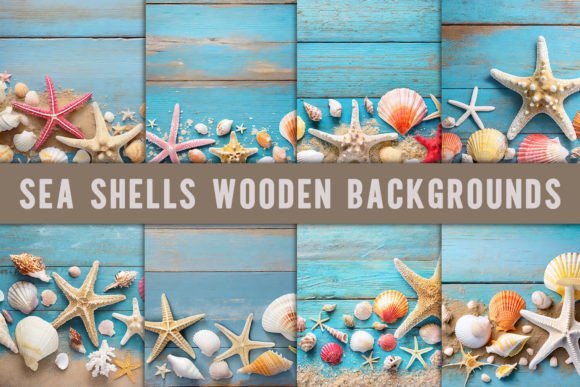
There’s a certain quiet charm in objects that feel both timeless and tactile. A weathered piece of wood, a shell smoothed by the tide—these elements carry stories. The Sea Shells Wooden Backgrounds collection captures that essence, offering eight distinct digital assets where organic forms meet rustic surfaces. Each high-resolution JPG, at a crisp 3600x3600 pixels, presents a unique composition. You’ll find delicate conch shells resting on sun-bleached planks, intricate starfish scattered across rich, grained timber, and clusters of scallops against a backdrop of reclaimed barn wood. The style isn’t just decorative; it’s evocative. It brings a natural, serene, and slightly nostalgic aesthetic to any project, balancing intricate detail with a grounded, earthy palette.
Where Nature Meets Design: Ideal Applications
The versatility of a resource like this is its greatest strength. As a designer or creator, you’re often searching for a design asset that does more than just fill space—it sets a mood. These backgrounds excel precisely there. Imagine them as the foundation for a coastal-themed wedding invitation suite, providing a textured, physical feel even in digital form. For entrepreneurs and small business owners, they can become the backdrop for product photography, especially for handmade jewelry, natural soaps, or artisanal goods, instantly conveying an organic, crafted quality. Bloggers and content creators will find them invaluable for social media graphics, where a unique web design element can stop the scroll and establish a recognizable visual style.
Think beyond the obvious. Use a section of one background as a subtle texture in a logo design for a beachside café or a wellness brand. In editorial design, they can create stunning chapter headers or full-page spreads for travel magazines or cookbooks focused on coastal cuisine. The high resolution means they hold up beautifully in print for packaging design, whether it’s a box sleeve, a gift tag, or a product label. The key is matching the background’s personality—rustic, natural, serene—to your project’s core message. It’s a creative font for the eyes, setting a tone that words alone might struggle to convey.
Integrating Texture into Your Brand Identity
Consistency is the bedrock of strong brand identity. A collection like Sea Shells Wooden Backgrounds allows you to build a cohesive visual language across multiple touchpoints. The same textured backdrop used on your website’s hero section can reappear in your email newsletter headers, your Instagram story templates, and your printed brochure. This repetition builds recognition. The aesthetic influences perception: the warmth of the wood suggests reliability and craftsmanship, while the shells add a touch of organic elegance and escape. This combination can position a brand as approachable, authentic, and connected to nature.
When incorporating these textures, consider their interaction with your typography. They act as a complex, detailed surface. To maintain readability and a clear visual hierarchy, pair them with clean, simple typefaces. A modern sans serif font with ample letter-spacing can float elegantly over a busy shell pattern, ensuring your message is legible. Alternatively, a classic serif font can enhance the traditional, timeless feel. The goal is contrast—let the intricate background be the texture, and your chosen typeface be the clear voice. Test your font pairing directly on the background during your design process. How does the leading look? Does the weight of the font compete with or complement the visual weight of the wood grain?
Practical Guidance for Selection and Use
Choosing the right background from the eight options requires a designer’s eye. Start by evaluating the specific needs of your project. Is it for a full-page bleed, or a small accent? The color temperature varies across the collection—some woods are honey-toned and warm, others are grey and coastal, others deep and rich. Select one that aligns with your color scheme. Consider the scale of the shell motifs. A background with large, singular shells might work best as a focal point, while one with a scattered, smaller pattern could serve as a more versatile, all-over texture.
Before finalizing, test it in context. Place your actual content—text, logos, product images—over the background. Check for clarity at different sizes, especially on mobile screens for social media graphics. Does the texture distract from your call-to-action? If so, you might use a semi-transparent overlay or a soft vignette to direct the eye. Remember, these are premium assets due to their resolution and quality, but their true value is unlocked through thoughtful application. They are not a substitute for good design principles but a powerful tool to enhance them. Whether you’re crafting a personal scrapbook or developing a client’s brand identity, these backgrounds offer a slice of the natural world to ground your digital creations in something real and resonant.